High Plains Gardening
The gardening website of the Texas High Plains Region




Attracts bees.
Texas, or scarlet sage is a perennial to the Southern U.S. and Texas. In the Texas Panhandle, it is sold as a bedding plant, since it is not cold hardy. Some varieties will come back due to re-seeding. Many varieties are available, some are more drought tolerant than others, such as 'Forest Fire', while 'Lady in Red' requires medium water-use beds. Summer long blooming, choose your color among scarlet, red, rose, pink, coral and white. As with most sages, hummingbirds, butterflies and bees are attracted to them.
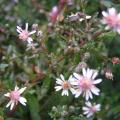
Lady in Black aster is an improved selection over the Midwestern native, Aster lateriflorus (now Symphyotrichum lateriflorus). Dark canes with musty purple leaves provide a striking contrast in the flower beds and borders that become covered with tiny white aster flowers with pink centers. Truly stunning bee and butterfly magnet for about 3 weeks in autumn.
White flowering zinnia is native to the Southwest and Northern Mexico. A low mounding plant, it becomes completely covered with small white flowers with a central yellow disk, similar to our native prairie zinnia, Zinnia grandiflora. Blooms from June through fall. Desert zinnia is toxic if ingested by humans.